


Electric Valve
Why Choose Us
Zhejiang Maikailun Automatic Control Valve Co., Ltd is a well recognized world leader and reliable manufacturer for pneumatic actuator and pneumatic valve in China. With over 20 years innovation and extensive industry experience, Maikailun provides first class products and services for customers worldwide.
Wide Product Range
Maikailun supplies pneumatic actuators and valve control accessories such as manual override, limit switch box, solenoid valve, filter regulator, valve position feedback device etc.
Provide Solutions
Maikailun provides professional valve automation solutions like pneumatic ball valve, pneumatic butterfly valve etc. for diverse applications.
Quality Assurance
Our actuator ranges from Φ32~Φ400mm, torque covers from5Nm to 50000Nm.
Quick Response
Our commitment is to respond to your inquiries within 24 hours, ensuring that you receive the information and support you require in a timely manner.
-
![Small Intelligent Electric Ball Valve]() Small Intelligent Electric Ball ValveElectric ball valve is an important actuator in industrial automation control system. Electric ball valve is based on the movement of the valve disc around the axis of the stem for rotary movement...read more
Small Intelligent Electric Ball ValveElectric ball valve is an important actuator in industrial automation control system. Electric ball valve is based on the movement of the valve disc around the axis of the stem for rotary movement...read more -
![Electric Three Piece Ball Valve]() Electric Three Piece Ball ValveElectric three-piece ball valve is a kind of (ball) around the perpendicular to the channel axis rotation 90 ° of the valve, which is composed of quarter-turn electronic electric actuator and...read more
Electric Three Piece Ball ValveElectric three-piece ball valve is a kind of (ball) around the perpendicular to the channel axis rotation 90 ° of the valve, which is composed of quarter-turn electronic electric actuator and...read more


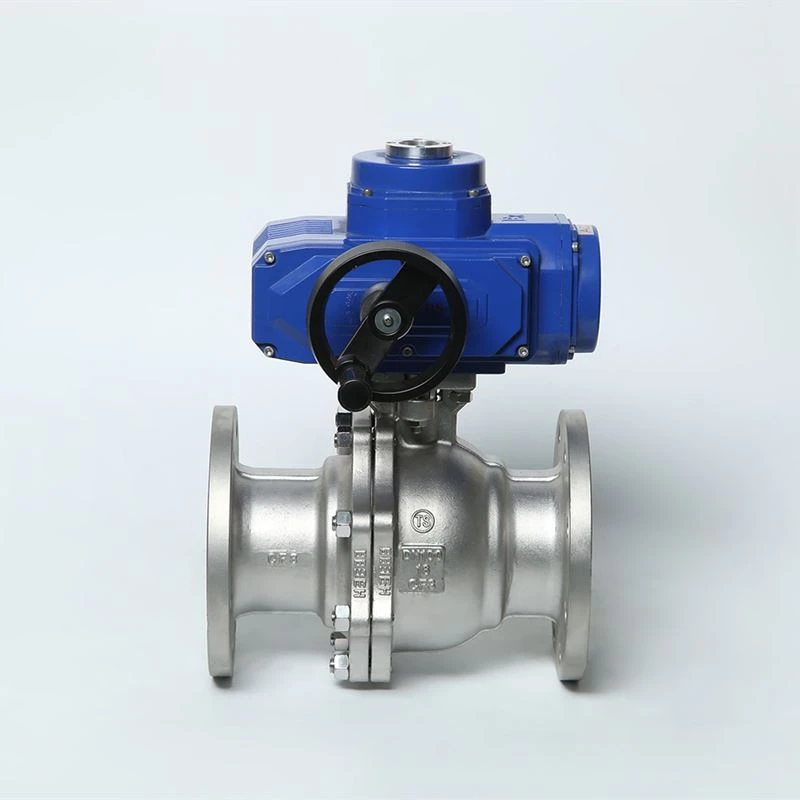
Precision Control
Electric ball valves provide precise control over flow rates, allowing for accurate adjustments with minimal effort. The electric motor-driven mechanism ensures consistent and reliable operation, making it easier to maintain optimal flow conditions in diverse applications.
Rapid Response Time
Electric ball valves offer fast response times, enabling swift adjustments in flow rates as needed. This rapid response capability is essential in dynamic environments where immediate changes in flow are crucial for maintaining system performance and efficiency.
Longevity and Reliability
Electric ball valves are engineered for durability and reliability, thanks to their simple design and minimal moving parts. This reliability translates to cost savings and improved operational uptime.
Energy Efficiency
The energy-saving design of these valves helps optimize energy usage and reduce operational costs over time. By minimizing power consumption, Electric ball valves contribute to sustainable practices and environmental conservation.
Versatility and Adaptability
Whether used in water treatment plants, HVAC systems, chemical processing facilities, or other environments, these valves exhibit compatibility with various fluids and operating conditions.
HVAC Systems
They control the flow of hot or cold water, glycol, or other heat transfer fluids, regulating the temperature in buildings.
Industrial Processes
They can handle a variety of fluids, including water, chemicals, and gases. Industries such as manufacturing, chemical processing, and food production rely on motorized ball valves to control their processes precisely.
Water Treatment
Water treatment facilities use motorized ball valves to manage the flow of water, chemicals, and additives. These valves ensure that water is treated, filtered, and distributed properly, meeting the required quality standards.
Irrigation Systems
In agriculture and landscaping, they control water flow to different zones, helping conserve water and ensure that plants receive the right amount of hydration.
Swimming Pools and Spas
Motorized ball valves regulate water flow in swimming pool and spa systems. They are used to direct water to different features like fountains, jets, and waterfalls, enhancing the recreational experience.
Plumbing Systems
In residential and commercial plumbing, motorized ball valves can control water flow in individual fixtures, such as faucets and showers. They are also used for whole-house shutoff valves to control water supply to a building.
Fire Protection Systems
These valves play a critical role in fire sprinkler systems, ensuring water is delivered to the appropriate areas during a fire emergency.
Oil and Gas Industry
Motorized ball valves are used to control the flow of oil, natural gas, and other hydrocarbons in pipelines and processing facilities. They provide reliable shutoff and control in demanding and hazardous environments.
Marine Applications
In marine systems, motorized ball valves control water and fluid flow for various purposes, such as ballast systems, bilge pumps, and engine cooling.
Brewing and Beverage Industry
Breweries and beverage production facilities use motorized ball valves to control the flow of liquids during the brewing and bottling processes, ensuring precise measurements and consistent product quality.
Chemical Industry
Motorized ball valves are used for precise control in the chemical industry, handling a wide range of corrosive and hazardous substances.
Electric motor
Single phase or three-phase AC asynchronous motors are motors with high starting torque, low starting current, and small moment of inertia, as well as overheating protection function.
Gearbox
The general electric actuator adopts a transmission mechanism of deceleration, turbine, and vortex rod, which has high efficiency and self-locking characteristics.
Torque Stroke Limiter
This component is located within the electric actuator reducer, consisting of a torque protection mechanism, a stroke control mechanism, a position sensor, and wiring terminals. The function of this component is also to limit the electric actuator.
Overtorque Protection Mechanism
When the torque output of the electric actuator exceeds the torque limit of this component, the power switch of the equipment will be deflected, cutting off control of the motor and causing it to stop running.
Handwheel
Generally, when the electric actuator is in a faulty state, the handwheel can operate normally to avoid situations where it gets stuck in certain positions and maintenance work cannot be carried out.

Frequently Asked Questions
As one of the most professional electric valve manufacturers and suppliers in China, we're featured by quality products and low price. Please rest assured to buy high-grade electric valve in stock here from our factory.
electric valve, Electric Three Piece Ball Valve, Small Intelligent Electric Ball Valve